
First impressions often start with a firm handshake. While a sharp watch or a crisp shirt helps, your hands tell a story about your attention to detail. Modern style has grown to include every part of your look, making sure you look your best from head to toe.
Many guys overlook the importance of keeping their hands tidy. However, men’s nail care is a vital part of personal health and professional presence. Taking a few minutes each week to tidy up can really boost your confidence.
By following these simple habits, you can achieve a clean look without spending hours at a spa. Our nail care tips are quick and useful for any busy guy. We believe men’s grooming should always include a focus on the hands.
Proper upkeep prevents issues like hangnails or dry skin. It shows that you value yourself and the people you meet during the day. Staying consistent with these small changes will make a huge difference in your daily life.
Key Takeaways
- Clean hands create a strong and professional first impression.
- Consistent trimming prevents painful hangnails and skin infections.
- Basic tools like clippers and files make the process fast.
- Moisturizing daily keeps the skin around your fingertips healthy.
- Good hygiene is a core part of a modern man’s routine.
- A polished look boosts your self-esteem in social settings.
Why Nail Care Matters for Today’s Man
For the modern man, maintaining well-groomed nails is no longer a luxury, but a necessity that reflects his overall health and grooming standards.Nail carehas evolved into an essential aspect ofmen’s grooming, playing a significant role in one’spersonal hygiene. It’s not just about aesthetics; well-maintained nails are a reflection of one’s overall health.
Nail health can be an indicator of underlying health issues. For instance, brittle nails might suggest a nutritional deficiency, while discoloration could be a sign of a fungal infection. By keeping an eye on nail health, men can catch potential health problems early.
Moreover, good nail care is integral to a man’s grooming routine. It complements other aspects of personal grooming such as skincare and haircare, contributing to an overall polished appearance. In professional settings, being well-groomed can make a significant difference in how one is perceived by others.
Incorporating nail care into daily personal hygiene routines can be straightforward. Simple practices like regular nail trimming, moisturizing cuticles, and avoiding excessive exposure to chemicals can significantly improve nail health.
By prioritizing nail care, men can not only enhance their appearance but also contribute to their overall well-being. It’s a simple step towards a more comprehensive grooming routine that encompasses health, hygiene, and style.
Understanding Your Nail Anatomy and What It Tells You
The health of your nails can reveal a lot about your overall well-being. Nails are not just a cosmetic aspect; they are also health indicators that can signal underlying issues. Understanding the anatomy of your nails is the first step towards maintaining their health and identifying potential problems early.
The Basic Structure of Your Nails
Your nail anatomy consists of several key components. The visible part of the nail is called the nail plate, which is made of a protein called keratin. Beneath the nail plate lies the nail bed, a sensitive area rich in nerve endings and blood vessels. The nail matrix, located beneath the cuticle, is where new nail cells are produced. Understanding these components is crucial for grasping how nail health can be an indicator of overall health.
Reading the Signs of Healthy Nails
Healthy nails are characterized by their smooth surface, consistent color, and firm texture. As Dr. Joshua Zeichner, a dermatologist, notes, “Healthy nails are a reflection of overall health.”
“Nails that are free of ridges, discoloration, or brittleness are generally a sign of good health.”
They should be free of any visible signs of damage or disease.
Nails that are considered healthy will have a gentle curve and be firmly attached to the nail bed. Any deviation from these characteristics could indicate a health issue that needs attention.
Warning Signs You Shouldn’t Ignore
Changes in nail color, texture, or shape can be warning signs of underlying health issues. For instance, nails that turn yellow or become brittle may indicate a fungal infection. As Harvard Health Publishing suggests, certain nail changes can be linked to systemic health conditions.
“Changes in the nails can sometimes be a sign of an underlying condition, such as thyroid disease or anemia.”
- Discoloration or changes in nail color
- Brittleness or cracking
- Changes in nail shape or texture
Being aware of these signs can help you identify potential health issues early, allowing for timely intervention.
Essential Tools Every Man Needs for Men’s Nail Care
Equipping yourself with the proper nail care tools is the first step towards achieving salon-quality results at home. A well-stocked nail care kit can make a significant difference in the health and appearance of your nails.
Quality Nail Clippers and Scissors
Investing in quality nail clippers and scissors is crucial. Look for clippers made from stainless steel or high-carbon steel for durability and sharpness. For fingernails, clippers with a curved blade are ideal, while toenail clippers should have a straight edge to prevent ingrown toenails.
The Right Files and Buffers for Your Needs
Nail files and buffers are essential for shaping and smoothing your nails. Nail files come in different grits; a coarse grit (100-150) is used for shaping, while a finer grit (220-240) is better for smoothing. Buffers help to add shine and can be used to gently remove ridges.
Cuticle Pushers and Nippers
Cuticle pushers are used to gently push back cuticles, while cuticle nippers are used to trim excess cuticle skin. It’s essential to be cautious when using nippers to avoid cutting too much skin.
Moisturizers and Strengthening Treatments
Keeping your nails and cuticles moisturized is vital. Use a nail oil or cream regularly to keep your nails healthy and strong. Strengthening treatments can help fortify weak nails.
| Tool | Purpose | Tips for Use |
|---|---|---|
| Nail Clippers | Trimming nails | Choose the right type for fingernails or toenails |
| Nail Files | Shaping and smoothing nails | Start with a coarse grit and move to finer grits |
| Cuticle Pushers | Pushing back cuticles | Be gentle to avoid damaging the cuticles |
| Moisturizers | Hydrating nails and cuticles | Apply regularly for best results |
Mastering the Art of Nail Trimming
Mastering nail trimming is an essential skill for any man looking to elevate his grooming routine. Nail trimming is not just about cutting your nails; it’s about doing it correctly to maintain healthy and well-groomed nails.
Timing Your Trims Perfectly
The timing of your nail trims can significantly impact the health and appearance of your nails. Trimming your nails too frequently can lead to irritation and ingrown nails, while trimming them too infrequently can result in overgrowth.
For most men, trimming their fingernails every two weeks and toenails every four to six weeks is a good rule of thumb. However, this can vary depending on your lifestyle and nail growth rate.
The Proper Cutting Technique Step-by-Step
To trim your nails effectively, you need to use the right technique. Here’s a step-by-step guide:
- Prepare your tools: Use a nail clipper that is appropriate for the size of your nails.
- Soften your nails: Soaking your fingers or toes in warm water can make your nails softer and easier to trim.
- Trim straight across: For fingernails, trim straight across to avoid ingrown nails.
- Curve for toenails: For toenails, it’s often recommended to trim them straight across or with a slight curve to prevent ingrown toenails.
Different Approaches for Fingers and Toes
Fingernails and toenails require different approaches when it comes to trimming. Fingernails are typically softer and more prone to breaking, so they should be trimmed with care to avoid splits or breaks.
Toenails, on the other hand, are thicker and more prone to ingrown nails. When trimming toenails, it’s crucial to cut them straight across or with a slight curve to prevent ingrown toenails.
Filing and Shaping Like a Pro
To achieve salon-quality nails at home, understanding the basics of nail filing and shaping is essential. This process not only enhances the appearance of your nails but also contributes to their overall health by smoothing out ridges and preventing breaks.
Selecting the Right Grit and Style
The first step in filing your nails is choosing the right nail file. Nail files come in different grits, which refer to the coarseness of the file. A coarser grit (around 100-150) is used for shaping and shortening nails, while a finer grit (220 or higher) is better for smoothing out the edges and surface.
For most men, a dual-sided nail file with different grits on each side offers versatility. It’s also worth considering the material of the file; emery boards are common, but glass or crystal files are more durable and gentler on the nails.
The Correct Filing Motion and Direction
Filing in the right direction is crucial to avoid damaging your nails. Always file in one direction only, from the cuticle to the tip of the nail. Filing back and forth can cause micro-tears in the nail, leading to breaks or splits.
The motion should be smooth and gentle. Apply light pressure; too much pressure can damage the nail. For tougher nails, start with a coarser grit and gradually move to finer grits for a smoother finish.
Achieving the Perfect Nail Shape
The ideal nail shape varies depending on personal preference and lifestyle. Common shapes include:
| Nail Shape | Description | Suitable For |
|---|---|---|
| Oval | A balanced shape that is curved and symmetrical. | Those with medium to long nail beds. |
| Square | Nails are filed straight across with no curve. | Individuals with short fingers or nail beds. |
| Round | A conservative shape with no sharp edges. | People who work with their hands frequently. |
To achieve your desired shape, start by shaping the nail with a coarse grit file and then refine it with a finer grit. Remember, it’s easier to take away more nail than to glue it back on, so be cautious.
Cuticle Care That Keeps You Protected
Understanding the importance of cuticle care can significantly enhance your overall nail health. Cuticles serve as a barrier against bacteria and other pathogens, making their care crucial for preventing infections.
Why Your Cuticles Are More Important Than You Think
Cuticles are often misunderstood as merely being a cosmetic aspect of nail care. However, they play a vital role in protecting the nail bed and surrounding skin. Healthy cuticles prevent bacteria from entering the nail matrix, thereby reducing the risk of infection.
Key functions of cuticles include:
- Protecting the nail matrix from external damage
- Preventing bacterial and fungal infections
- Aiding in the growth of healthy nails
Safe Pushing and Trimming Methods
When it comes to cuticle care, it’s essential to adopt safe practices to avoid causing damage. Gently pushing back cuticles with a cuticle pusher after a warm bath or shower is an effective method. Trimming should be done with caution, using cuticle nippers to remove dead skin only.
Best practices for trimming include:
- Soaking your fingers to soften the cuticles
- Using clean and sterilized tools
- Trimming only the dead skin to avoid bleeding or pain
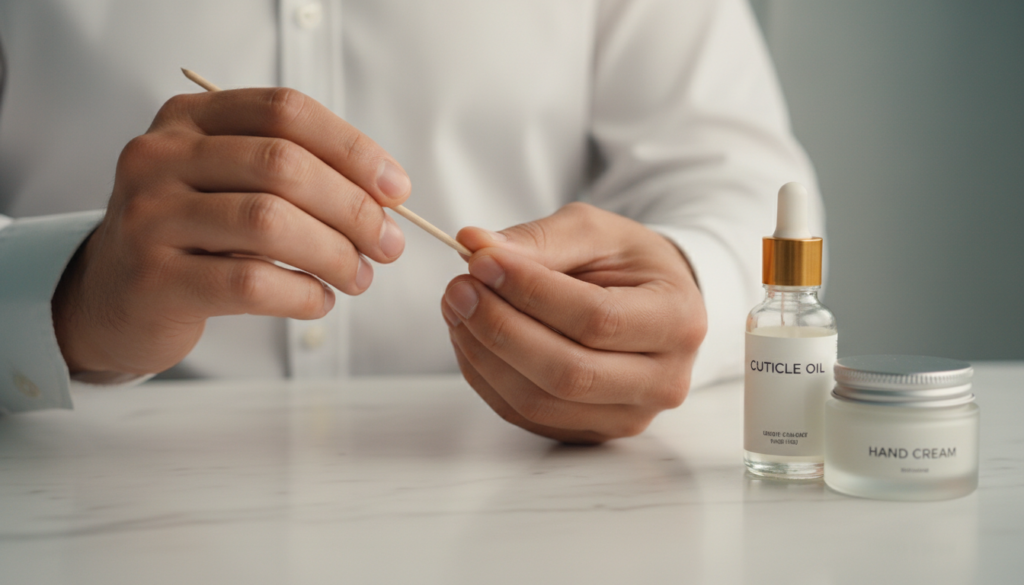
Hydration and Cuticle Oil Benefits
Keeping your cuticles hydrated is vital for their health and appearance. Cuticle oil helps to moisturize the cuticles, preventing dryness and cracking. Regular application of cuticle oil can also promote healthy nail growth.
Benefits of using cuticle oil include:
- Moisturizing and nourishing the cuticles
- Preventing hangnails and dryness
- Enhancing the overall appearance of your nails
Tackling Common Nail Problems Head-On
Healthy nails are not just about aesthetics; they also indicate overall health, making it crucial to tackle common nail problems. Nail issues can range from hangnails and nail fungus to brittle nails and discoloration. Understanding the causes and solutions to these problems is key to maintaining healthy and strong nails.
Preventing and Treating Hangnails
Hangnails are small tears in the skin near the nails, often caused by dryness or exposure to harsh chemicals. To prevent hangnails, keep your hands and cuticles moisturized, especially during dry weather. When a hangnail occurs, gently trim it with clean nail clippers and apply a moisturizer to the area to promote healing.
Prevention tips: Wear gloves when washing dishes or using harsh chemicals, and apply a rich moisturizer regularly.
Identifying and Fighting Nail Fungus
Nail fungus, or onychomycosis, is a common infection that can cause nails to become thickened, discolored, or brittle. It’s essential to identify the signs early to prevent the fungus from spreading. Treatment options include antifungal medications and maintaining good nail hygiene.
Early signs of nail fungus include white or yellow spots under the nail tip. Keeping your nails clean and dry, and avoiding sharing personal care tools, can help prevent the spread of the infection.
Solutions for Brittle and Splitting Nails
Brittle nails can be caused by a lack of moisture, excessive exposure to chemicals, or nutritional deficiencies. To strengthen brittle nails, use a nail strengthening base coat and keep your nails moisturized. Avoid using nails as tools and wear gloves when doing household chores.
- Apply a nail strengthening treatment regularly.
- Keep your nails hydrated with a moisturizer.
- Avoid excessive exposure to water or harsh chemicals.
Dealing with Yellow Stains and Discoloration
Nail discoloration can be caused by smoking, excessive use of nail polish, or certain health conditions. To address yellow stains, try using a nail whitening treatment or a base coat to prevent staining. Maintaining good nail hygiene and giving your nails a break from polish can also help.
Prevention is key: Use a base coat before applying nail polish, and avoid smoking to prevent discoloration.
How Your Diet Directly Impacts Your Nails
Your diet has a profound impact on the health and resilience of your nails. A well-balanced intake of essential nutrients can make a significant difference in the strength and appearance of your nails.
Essential Vitamins and Minerals for Nail Strength
Nails require a specific set of vitamins and minerals to stay healthy. Biotin is crucial for nail growth and strength. Vitamin E helps in protecting nails from damage, while iron is essential for preventing brittle nails.
- Biotin: Found in eggs, nuts, and whole grains, biotin is a B-complex vitamin that plays a significant role in nail health.
- Vitamin E: Nuts, seeds, and vegetable oils are rich in vitamin E, which acts as an antioxidant.
- Iron: Red meat, spinach, and fortified cereals are good sources of iron, crucial for healthy nail growth.
Best Foods to Add to Your Plate
Incorporating foods rich in these nutrients into your diet can significantly improve nail health. Some of the best foods include:
- Nuts and seeds, such as almonds and sunflower seeds, rich in vitamin E and biotin.
- Leafy greens like spinach, which is high in iron.
- Fish and poultry, which are good sources of protein and various vitamins and minerals.
Supplements Worth Considering
For individuals who find it challenging to get enough nutrients from their diet alone, supplements can be a useful addition. Biotin supplements are particularly popular for enhancing nail strength and growth. However, it’s essential to consult with a healthcare professional before starting any supplement regimen.
By making informed dietary choices and potentially incorporating supplements, you can significantly improve the health and appearance of your nails.
Professional Manicures vs. At-Home Maintenance
When it comes to nail care, men have two primary options: professional manicures or at-home maintenance. Both approaches have their advantages and disadvantages. Understanding what each entails can help you make an informed decision about how to keep your nails looking their best.
What Happens During a Men’s Manicure
A men’s manicure is a comprehensive nail care treatment that typically includes nail trimming, shaping, cuticle care, and moisturizing. During the process, a professional nail technician will first clean and prepare your nails, then trim and shape them according to your preference. Cuticle care involves gently pushing back and trimming the cuticles, followed by a moisturizing treatment to hydrate the nails and surrounding skin.
Building an Effective Home Care Routine
For those who prefer to maintain their nail health at home, building an effective routine is key. This involves investing in the right tools, such as quality nail clippers, files, and cuticle pushers. Regularly trimming and filing your nails, moisturizing your cuticles, and using a nail strengthening treatment can help keep your nails healthy and looking good.
| Product | Purpose | Frequency of Use |
|---|---|---|
| Nail Clippers | Trimming nails | Weekly |
| Nail File | Shaping nails | As needed |
| Cuticle Oil | Moisturizing cuticles | Daily |
When to See a Professional
While at-home care is convenient, there are times when it’s beneficial to seek professional nail care. If you have particularly problematic nails, such as those with fungal infections or severe brittleness, a professional can provide treatments and advice tailored to your needs. Additionally, if you’re unsure about how to properly care for your nails or want a more polished look, a professional manicure can be a worthwhile investment.
Lifestyle Factors That Make or Break Your Nails
Nail health is not just about nail care products; it’s also heavily influenced by your daily habits and lifestyle choices. The way you live, work, and even the activities you enjoy can significantly impact the strength and appearance of your nails.
Protecting Your Nails at Work and During Sports
Whether you’re working in a profession that involves manual labor or participating in sports, protecting your nails is crucial. For those in jobs like construction or gardening, wearing gloves can prevent nails from getting damaged or exposed to harsh chemicals. Similarly, athletes, especially those involved in contact sports or activities that put pressure on the hands, should consider protective gear.
Simple Protection Measures:
- Wearing gloves during manual work or when using harsh chemicals
- Using nail strengtheners for added protection
- Avoiding excessive exposure to water or detergents
Breaking Nail-Biting and Other Destructive Habits
Nail-biting (onychophagia) is a common habit that can severely damage nails. Breaking this habit requires awareness and strategies such as keeping nails trimmed short, finding alternative habits like chewing gum, or using bitter-tasting nail polish.
Tips to Stop Nail-Biting:
- Identify triggers and find alternatives
- Keep nails trimmed to reduce the temptation
- Use a nail strengthener to make nails less brittle
Daily Protection Strategies
Incorporating simple protective measures into your daily routine can significantly improve nail health. This includes being mindful of how you use your hands and taking steps to minimize damage.
| Daily Activity | Protection Strategy |
|---|---|
| Washing dishes | Wear gloves to prevent exposure to hot water and detergents |
| Gardening or manual labor | Use heavy-duty gloves to protect against physical damage and chemicals |
| Typing or using computer | Keep nails trimmed to avoid damage from excessive length |
The Impact of Frequent Hand Washing
Frequent hand washing is essential for hygiene but can strip nails of their natural oils, leading to dryness and brittleness. Using a moisturizer after washing and wearing gloves when using harsh soaps can help mitigate this effect.
By being aware of how your lifestyle affects your nail health and taking proactive steps to protect your nails, you can maintain stronger, healthier nails over time.
Biggest Mistakes Men Make with Nail Care
The path to healthy, well-groomed nails for men is fraught with common pitfalls that can be easily avoided with the right knowledge. Nail care mistakes can lead to a range of problems, from aesthetic issues to health concerns.
The Dangers of Cutting Nails Too Short
Cutting nails too short can lead to pain, infection, and other complications. It’s essential to trim nails correctly to avoid these issues.
Trimming your nails too short can expose the sensitive tips of your fingers and toes, making them vulnerable to pain and infection. The ideal length is just beyond the tip of the finger or toe.
Overlooking Basic Nail Hygiene
Nail hygiene is crucial for overall nail health. Neglecting it can lead to dirt accumulation, fungal infections, and other problems.
Keeping your nails clean is fundamental. Wash your hands regularly, especially after using harsh chemicals or engaging in activities that get your hands dirty. Use a nail brush to clean under your nails.
Using Inappropriate or Dull Tools
Using the wrong tools or tools that are not properly maintained can damage your nails and surrounding skin.
Invest in good-quality nail clippers, scissors, and files. Dull tools can cause more harm than good, leading to uneven cuts or tears in the nail.
Ignoring Moisturization
Moisturizing your nails and cuticles is vital for their health. Dryness can lead to brittleness and breakage.
Apply a moisturizer or cuticle oil regularly to keep your nails and cuticles hydrated. This helps prevent dryness and promotes healthy nail growth.
| Mistake | Consequence | Prevention |
|---|---|---|
| Cutting Nails Too Short | Pain, Infection | Trim correctly, avoid cutting too short |
| Overlooking Nail Hygiene | Dirt accumulation, Fungal infections | Regular washing, use nail brush |
| Using Inappropriate or Dull Tools | Nail damage, Uneven cuts | Invest in good-quality tools, maintain them |
| Ignoring Moisturization | Dryness, Brittleness | Apply moisturizer or cuticle oil regularly |
By understanding and avoiding these common nail care mistakes, men can maintain healthier, more attractive nails. Regular care and attention to detail are key.
Advanced Tips for Next-Level Nail Health
To take your nail care to the next level, it’s essential to incorporate advanced techniques into your routine. This includes understanding the best practices for buffing, adjusting your care routine seasonally, addressing wear and tear from work, and maintaining healthy nails while traveling.
Buffing for a Natural Shine
Nail buffing is a simple yet effective way to achieve a healthy, natural shine without the need for nail polish. Buffing gently removes ridges and imperfections, leaving your nails looking smooth and polished.
To buff effectively, start by selecting a buffer with the right grit for your nail type. Use gentle, smooth strokes to buff your nails, working in one direction only.
Seasonal Nail Care Adjustments
Just like your skin, your nails have different needs in different seasons. In the winter, dry air can cause nails to become brittle, while in the summer, increased exposure to water and sunlight can lead to weakening.
To combat these seasonal challenges, adjust your nail care routine accordingly. In the winter, focus on moisturizing your nails and cuticles, while in the summer, be sure to wear protective gloves when washing dishes or using harsh chemicals.
| Season | Nail Care Tips |
|---|---|
| Winter | Moisturize nails and cuticles, avoid excessive exposure to cold |
| Summer | Wear protective gloves when washing dishes, avoid excessive sun exposure |
| Spring | Rebuild nail strength with vitamin-rich treatments |
| Autumn | Prepare nails for winter by maintaining good hygiene and moisturizing |
Addressing Work-Related Nail Wear
For many men, work can be tough on their nails, whether it’s due to manual labor, exposure to chemicals, or frequent hand washing. To mitigate this wear, wear protective gloves when working with harsh materials, and be sure to moisturize your nails and cuticles regularly.
Maintaining Nails While Traveling
Traveling can be challenging for nail health, especially when exposed to different climates and environments. To keep your nails healthy on the go, pack a travel-sized nail care kit with essentials like nail clippers, a buffer, and moisturizer.
Conclusion
By following the tips and practices outlined in this article, men can achieve and maintain healthy, well-groomed nails that enhance their overall appearance and confidence. Men’s nail care is not just about aesthetics; it’s also about health.
Regular nail care can prevent issues like hangnails, nail fungus, and brittle nails. By incorporating nail health tips into your daily routine, you can enjoy stronger, healthier nails.
Remember, good nail care is a habit that requires consistent effort. With the right tools, techniques, and mindset, you can keep your nails looking their best. Start your nail care journey today and experience the difference for yourself.