Taking care of your body often stops right at the ankles for many guys. However, keeping your feet in top shape is a vital part of staying active and comfortable throughout the week. Many people are now discovering that professional grooming isn’t just for luxury; it is a smart choice for long-term foot health.
Exploring men’s pedicures can feel like a brand-new experience for the modern gentleman. These services help prevent common issues like thick calluses or painful ingrown nails while providing a relaxing break. Consistent men’s foot care ensures you can tackle your daily routine without any physical discomfort or hidden skin issues.
You deserve to feel confident and refreshed from head to toe during your busy schedule. A quick trip to a local salon keeps your skin soft and your nails perfectly clean and trimmed. Start prioritizing your physical well-being today by giving your feet the professional attention they truly need to stay strong.
Key Takeaways
- Regular foot grooming prevents painful ingrown toenails and calluses.
- Professional services help maintain high standards of personal hygiene.
- Relaxing treatments reduce daily stress and improve overall circulation.
- Clean and trimmed nails project a polished and confident image.
- Early detection of skin or nail issues prevents long-term medical problems.
- Exfoliation keeps the skin on your feet soft and free of cracks.
Why Men’s Foot Care Matters More Than You Think
Foot care for men is more than just a grooming routine; it’s a vital aspect of health maintenance. Proper foot care can prevent a multitude of issues that affect not just the feet, but overall health and well-being.
Men often overlook foot care, but neglecting it can lead to various health problems. Common foot issues such as fungal infections, ingrown toenails, and cracked heels can be painful and, if left untreated, can lead to more serious complications.
One of the primary reasons men’s foot care matters is its impact on overall health. Foot health can be an indicator of overall well-being. For instance, diabetes can be detected through foot examinations, as it often causes nerve damage and poor circulation in the feet.
The table below highlights some common foot issues men face and their potential health implications:
| Foot Issue | Potential Health Implication |
|---|---|
| Fungal Infections | Athlete’s foot, toenail fungus |
| Ingrown Toenails | Infection, pain |
| Cracked Heels | Diabetes, dry skin conditions |
By prioritizing foot care, men can prevent these issues and maintain healthy feet. Regular pedicures, proper footwear, and daily foot care routines are essential components of a comprehensive foot care regimen.
In conclusion, men’s foot care is not just about aesthetics; it’s a critical aspect of overall health. By understanding its importance and taking proactive steps, men can avoid common foot problems and enjoy better health and well-being.
Breaking the Stigma: Men’s Pedicures Are About Health, Not Vanity
Men’s pedicures are not just about aesthetics; they play a crucial role in overall foot health and hygiene. Despite this, there’s a lingering stigma that associates pedicures with vanity. It’s essential to understand that foot care is a fundamental aspect of personal hygiene, applicable to everyone, regardless of gender.
The practice of men’s pedicures has been around for centuries, with ancient civilizations recognizing the importance of foot care for both health and comfort. In modern times, the benefits of pedicures extend beyond mere cosmetic appeal. They involve a comprehensive approach to foot health, including the prevention of fungal infections, improvement in circulation, and early detection of foot-related issues.
A key aspect of men’s pedicures is the health benefits they provide. Regular pedicures can help prevent conditions such as athlete’s foot and fungal nail infections. They also involve exfoliating the skin, which can improve circulation and reduce the risk of cracked heels and calluses.
Health Benefits of Men’s Pedicures:
| Benefit | Description |
|---|---|
| Prevention of Fungal Infections | Regular cleaning and disinfection prevent fungal growth. |
| Improved Circulation | Massage techniques used during pedicures enhance blood flow. |
| Early Detection of Foot Issues | Technicians can identify potential problems early on. |
By understanding the true nature and benefits of men’s pedicures, we can work towards breaking the stigma associated with them. It’s about recognizing that foot care is not a luxury or a vanity project, but a necessary part of maintaining overall health.
The Health Benefits of Men’s Pedicures
The health benefits of men’s pedicures are numerous and can significantly improve overall foot health. Regular pedicures can address various foot-related issues, providing both preventive care and relief from existing conditions.
Prevention of Fungal Infections and Athlete’s Foot
Fungal infections and athlete’s foot are common issues that can be effectively managed through regular pedicures. The soaking and cleaning process involved in a pedicure helps to remove dead skin cells and reduce the risk of fungal growth. Proper hygiene and sanitation during a pedicure are crucial in preventing the spread of infections.
Moreover, the use of antifungal treatments during a pedicure can further protect against such infections. By maintaining clean and dry feet, men can significantly reduce their risk of developing these conditions.
Improved Circulation and Pain Relief
Pedicures often include a massage component that can significantly improve blood circulation in the feet. Improved circulation helps to nourish the skin and muscles, promoting overall foot health. Additionally, massage can provide relief from pain by relaxing the muscles and reducing tension.
Regular pedicures can also help alleviate conditions such as plantar fasciitis, which is characterized by pain in the heel and bottom of the foot. By incorporating massage and other therapeutic techniques, pedicures can offer a holistic approach to pain management.
Early Detection of Foot Problems
A professional pedicure technician is trained to identify potential foot problems early on. During a pedicure, they can detect signs of conditions such as diabetes-related foot issues, fungal infections, or other abnormalities. Early detection is key to effective treatment and prevention of more serious complications.
By regularly visiting a pedicurist, men can benefit from professional advice on foot care and receive timely interventions for any issues that may arise. This proactive approach can lead to better overall health and wellbeing.
What Happens During a Men’s Pedicure
Understanding the steps involved in a men’s pedicure can help alleviate any apprehensions and prepare you for a rejuvenating experience. A typical men’s pedicure is designed to provide a comprehensive foot care treatment, addressing various aspects of foot health and hygiene.
The Soaking Process
The first step in a men’s pedicure is the soaking process. This involves immersing your feet in a warm water bath, often infused with salts or essential oils, to soften the skin and nails. The soaking process helps to relax the feet and prepare them for the subsequent treatments.
Nail Trimming and Shaping
After soaking, the next step is nail trimming and shaping. This involves carefully trimming and shaping the toenails to prevent ingrown nails and maintain a neat appearance. Proper nail trimming is crucial for preventing nail-related issues.
Callus Removal and Exfoliation
Callus removal and exfoliation are critical components of a men’s pedicure. This process involves gently removing dead skin cells and calluses to reveal smoother skin. Exfoliation helps to improve skin texture and prevent conditions like cracked heels.
Massage and Moisturizing
The final stages of a men’s pedicure typically include a massage and moisturizing treatment. The massage helps to improve circulation, relieve tension, and promote relaxation. Moisturizing is then applied to hydrate the skin, leaving your feet feeling soft and refreshed.
| Step | Description | Benefits |
|---|---|---|
| Soaking | Immersing feet in warm water with salts or oils | Softens skin and nails, relaxes feet |
| Nail Trimming and Shaping | Trimming and shaping toenails | Prevents ingrown nails, maintains neat appearance |
| Callus Removal and Exfoliation | Removing dead skin cells and calluses | Improves skin texture, prevents cracked heels |
| Massage and Moisturizing | Massaging feet and applying moisturizer | Improves circulation, relieves tension, hydrates skin |
How Men’s Pedicures Differ from Traditional Pedicures
Unlike traditional pedicures, men’s pedicures are designed with a focus on functionality and health. While traditional pedicures often emphasize aesthetic appeal, men’s pedicures take a more holistic approach, addressing the specific foot care needs of men.
One of the primary differences lies in the services offered. Men’s pedicures typically include more intense treatments such as callus removal and deep exfoliation to tackle the tougher skin that men often have on their feet. This is in contrast to traditional pedicures, which might focus more on nail polish application and less on the removal of dead skin cells.
Another significant difference is the approach to nail care. Men’s pedicures often involve nail trimming and shaping that is more suited to the natural shape and health of men’s nails, rather than shaping them for aesthetic purposes alone. This practical approach helps in preventing issues like ingrown toenails and nail fungus.
The massage component of men’s pedicures also tends to be more intense, focusing on relieving tension in the feet and legs. This not only feels great but also aids in improved circulation, which is essential for overall foot health.
In summary, while both men’s and traditional pedicures share some similarities, the differences in services and approach set them apart. Men’s pedicures are tailored to meet the unique needs of men, focusing on health, functionality, and practicality.
Common Foot Issues Men Face and How Pedicures Help
Many men experience common foot problems that can be effectively addressed through regular pedicures. These issues not only cause discomfort but can also lead to more serious health concerns if left untreated.
Thick Toenails and Ingrown Nails
Thick toenails and ingrown nails are prevalent issues among men, often resulting from improper nail care or genetic predisposition. Regular pedicures help maintain healthy nail growth by trimming and shaping toenails correctly, thus preventing ingrown nails.
A pedicure specialist can also treat existing thick toenails by safely reducing their thickness and applying appropriate treatments to prevent fungal infections.
Cracked Heels and Calluses
Cracked heels and calluses are another common problem, typically caused by dry skin, friction, or pressure. Pedicures involve exfoliating dead skin cells and moisturizing the feet, which helps to soften and heal cracked heels and reduce calluses.
Regular exfoliation and moisturizing during pedicures can prevent the buildup of dead skin, keeping feet smooth and healthy.
Odor and Sweat Problems
Foot odor and excessive sweat are embarrassing issues for many men. Pedicures often include a thorough cleaning and sometimes the application of antiperspirant treatments to control sweat and odor.
| Foot Issue | Pedicure Solution | Benefits |
|---|---|---|
| Thick Toenails | Nail trimming and shaping | Prevents ingrown nails, promotes healthy nail growth |
| Cracked Heels | Exfoliation and moisturizing | Softens and heals dry skin, prevents further cracking |
| Foot Odor | Thorough cleaning and antiperspirant treatments | Reduces sweat and odor, keeps feet fresh |
By addressing these common foot issues, regular pedicures not only improve the health and appearance of men’s feet but also boost confidence and overall well-being.
Preparing for Your First Men’s Pedicure
Before stepping into a salon for your first men’s pedicure, it’s essential to know what to expect. This knowledge will help you feel more comfortable and ensure that you get the most out of your experience.
What to Expect at the Salon
When you arrive at the salon, you will typically be greeted and asked to take a seat. The technician will then introduce themselves and explain the process. A standard men’s pedicure includes several key steps:
- A foot soak to soften your toenails and skin
- Nail trimming and shaping to maintain healthy nail length and prevent issues like ingrown toenails
- Callus removal and exfoliation to smooth out rough patches on your feet
- A massage to improve circulation and relax your foot muscles
- Moisturizing to hydrate your skin and keep your feet feeling soft
Questions to Ask Your Technician
To ensure you have a great experience, don’t hesitate to ask your technician questions. Some important topics to cover include:
- What products they use and if you have any allergies or sensitivities
- Their experience with men’s pedicures and any specific foot issues you have
- How they maintain hygiene standards, such as sanitizing equipment and using disposable liners
Asking these questions not only helps you feel more at ease but also ensures that you’re in good hands.
Hygiene Standards to Look For
Hygiene is paramount when it comes to pedicures. Look for salons that adhere to high hygiene standards, such as:
- Using sterilized equipment for each client
- Having a clean and organized workspace
- Using disposable liners for foot baths
By choosing a salon that prioritizes hygiene, you can significantly reduce the risk of infection and ensure a safe and healthy pedicure experience.
By being prepared and knowing what to expect, you can enjoy the full benefits of your first men’s pedicure and start your journey to healthier, happier feet.
How Often Should Men Get Pedicures
The frequency at which men should get pedicures varies significantly based on their lifestyle, foot health, and grooming habits. For men who are physically active, especially those involved in sports or activities that stress the feet, more frequent pedicures may be necessary.
Generally, men can benefit from getting a pedicure every 4 to 6 weeks. This timeframe allows for the maintenance of healthy feet by regularly addressing issues such as nail growth, callus formation, and dry skin.
Factors Influencing Pedicure Frequency:
- Activity Level: Men with high activity levels or those who engage in activities that cause excessive foot stress may need more frequent pedicures.
- Foot Health: Individuals with specific foot issues, such as fungal infections or ingrown toenails, may require more regular pedicures as part of their treatment plan.
- Grooming Preferences: Men who value the aesthetic aspects of pedicures, such as nail shaping and moisturizing, may choose to have them more frequently.
For men with average foot health and moderate activity levels, a pedicure every 6 weeks is often sufficient. However, it’s essential to listen to your body and adjust the frequency based on how your feet respond.
Incorporating pedicures into a men’s grooming routine not only enhances foot health but also contributes to overall well-being. By understanding the factors that influence pedicure frequency, men can make informed decisions about their foot care.
DIY Men’s Pedicures vs Professional Services
Understanding the benefits and limitations of both DIY and professional pedicure services is crucial for maintaining healthy feet. While DIY pedicures offer convenience and cost savings, professional pedicure services provide expertise and a deeper level of care.
The choice between DIY and professional pedicures largely depends on personal preference, foot health needs, and the level of care required. For those who prefer the convenience of at-home care, having the right tools is essential.
Essential Tools for At-Home Foot Care
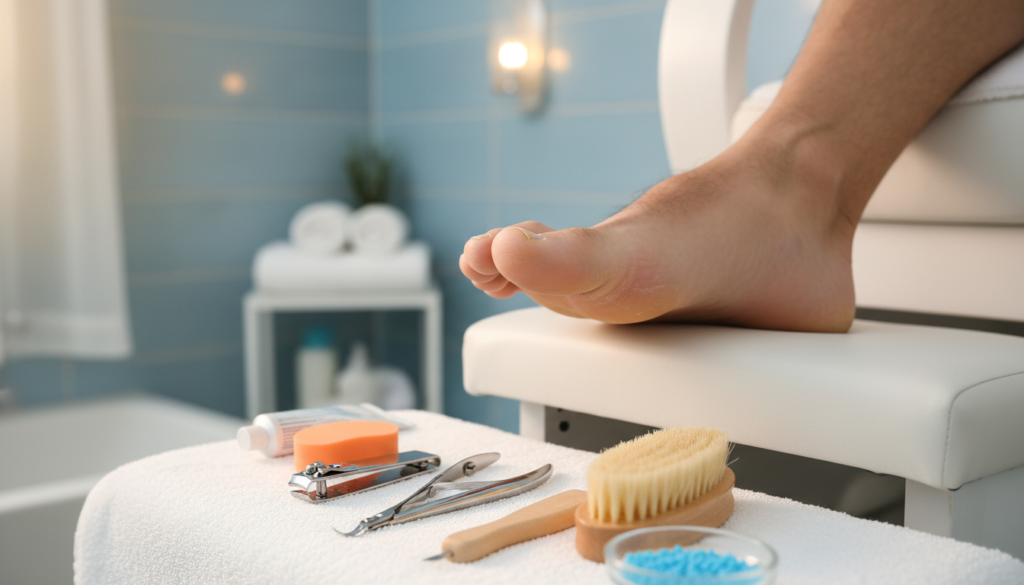
To effectively care for your feet at home, you’ll need a few essential tools. These include:
- Nail clippers for trimming toenails
- A pumice stone or foot file for removing dead skin
- Cuticle pusher or orange stick for cuticle care
- Moisturizer for hydrating the skin
Investing in quality tools can make a significant difference in the outcome of your at-home pedicure. Proper sanitation of these tools is also crucial to prevent infections.
| Tool | Purpose | Tips for Use |
|---|---|---|
| Nail Clippers | Trimming toenails | Cut straight across to avoid ingrown nails |
| Pumice Stone | Removing dead skin | Use on wet skin, gently rubbing |
| Cuticle Pusher | Cuticle care | Gently push back cuticles, avoid cutting |
When to See a Professional
While at-home care is convenient, there are situations where seeking professional help is advisable. If you have diabetes or poor circulation, it’s recommended to see a professional due to the higher risk of complications.
Additionally, if you’re experiencing persistent foot pain, fungal infections, or other issues that don’t improve with at-home care, it’s time to consult a professional.
Professional pedicure services not only provide a deeper level of care but also offer the benefit of early detection of potential foot problems. Regular visits can help maintain healthy feet and prevent issues before they become serious.
Finding the Right Salon for Men’s Pedicures
Choosing a salon for a men’s pedicure is more than just picking a place; it’s about ensuring quality and hygiene. With the increasing popularity of men’s pedicures, the number of salons offering this service has also grown, making it crucial to know what to look for.
When searching for a salon, hygiene and cleanliness should be your top priorities. A clean environment is not just a matter of aesthetics; it’s a critical factor in preventing the spread of infections. Look for salons that visibly maintain high standards of cleanliness, including the use of sterilized equipment and clean linens.
Expertise is another vital factor. The technicians should be trained and experienced in providing men’s pedicures. You can gauge their expertise by reading reviews, asking for referrals, or observing how they work.
The range of services offered is also an important consideration. A good salon should provide a variety of services tailored to men’s needs, including nail care, callus removal, and massage. Some salons may also offer additional treatments like hot stone massages or paraffin wax treatments, which can enhance the overall experience.
To help you make an informed decision, here’s a comparison of what to look for in a salon:
| Feature | Ideal Salon | Salon to Avoid |
|---|---|---|
| Hygiene | Uses sterilized equipment, clean linens | Poor cleanliness, reused equipment |
| Technician Expertise | Trained, experienced technicians | Lack of training, inexperienced staff |
| Service Variety | Offers a range of services for men | Limited services, not tailored to men |
By considering these factors and doing your research, you can find a salon that not only meets your needs but also provides a satisfying and healthy pedicure experience.
Cost and Value: What to Expect to Pay
The cost of a men’s pedicure can vary significantly based on several factors. Understanding these factors is key to assessing the value for money.
One of the primary factors influencing the cost is the location of the salon. Salons in urban areas or major cities tend to charge more than those in smaller towns or rural areas. For instance, a men’s pedicure in New York City could cost anywhere from $40 to over $100, depending on the salon’s reputation and the services offered.
Services included in the pedicure also play a significant role in determining the cost. Basic pedicures that include nail trimming, shaping, and moisturizing are generally less expensive than deluxe packages that add services like exfoliation, massage, and paraffin wax treatments.
Another factor is the expertise and qualifications of the technician. More experienced technicians or those with specialized training may charge higher rates for their services.
To assess the value for money, consider the quality of service, the hygiene standards of the salon, and the overall experience. A more expensive pedicure might be worth it if it includes premium services and ensures a clean, comfortable environment.
Here are some general price ranges to expect:
- Basic Men’s Pedicure: $30-$50
- Deluxe Men’s Pedicure: $50-$75
- Premium Men’s Pedicure: $75-$100+
Ultimately, the cost of a men’s pedicure is an investment in your foot health and well-being. By understanding what influences the cost and what you’re getting for your money, you can make an informed decision that suits your needs and budget.
Maintaining Healthy Feet Between Pedicures
A good foot care routine is crucial for maximizing the benefits of your pedicures and overall foot health. By incorporating simple daily practices and making informed choices about your footwear, you can keep your feet healthy, fresh, and problem-free between salon visits.
Daily Foot Care Routine
Establishing a daily foot care routine is the first step towards maintaining foot health. Start by washing your feet daily with soap and water, ensuring to dry them thoroughly, especially between the toes. This helps prevent fungal infections and keeps your feet fresh.
Moisturizing is another critical aspect of daily foot care. Apply a rich moisturizer to your feet, paying special attention to the heels and any dry areas. This helps to keep the skin hydrated and prevents cracking. For an extra touch, gently massage your feet to improve circulation and relieve tension.
Trimming your toenails straight across and avoiding cutting them too short can help prevent ingrown toenails. Additionally, wearing clean socks made of breathable materials can reduce sweat and odor, contributing to overall foot health.
Choosing the Right Footwear
The shoes you wear play a significant role in healthy footwear and overall foot health. Opt for shoes that fit well and provide adequate support. Avoid shoes that are too tight or too loose, as they can cause blisters, calluses, and other foot problems.
When selecting footwear, consider the activity you’ll be doing. For instance, choose running shoes for running and dress shoes for formal occasions. Ensure that your shoes are made from breathable materials to keep your feet dry and comfortable.
Rotating your shoes can also help in maintaining foot health. This allows each pair to dry out completely, reducing the risk of fungal infections. Furthermore, using shoe inserts or orthotics can provide additional support and comfort, especially for individuals with specific foot issues.
By following these simple tips and being mindful of your daily foot care routine and footwear choices, you can enjoy healthier, happier feet between pedicures.
Conclusion
Men’s pedicures are more than just a luxury; they are an essential part of maintaining healthy feet. As discussed, regular pedicures can prevent fungal infections, improve circulation, and detect foot problems early. By understanding what happens during a men’s pedicure and how it differs from traditional pedicures, men can take the first step towards healthier feet.
Incorporating men’s pedicures into your grooming routine can have a significant impact on overall foot health. Whether you choose to visit a professional salon or maintain a DIY routine, the key is consistency and attention to detail. By doing so, men can enjoy the benefits of healthy, well-groomed feet.
This men’s pedicures summary highlights the importance of prioritizing foot care. By making informed choices about foot health, men can enhance their overall well-being and confidence. Regular men’s pedicures are a simple yet effective way to achieve this.